
How Long Does a UPS Battery Last?
Traditional UPS batteries commonly last three to five years, but heat, cycling and load can shorten that interval.
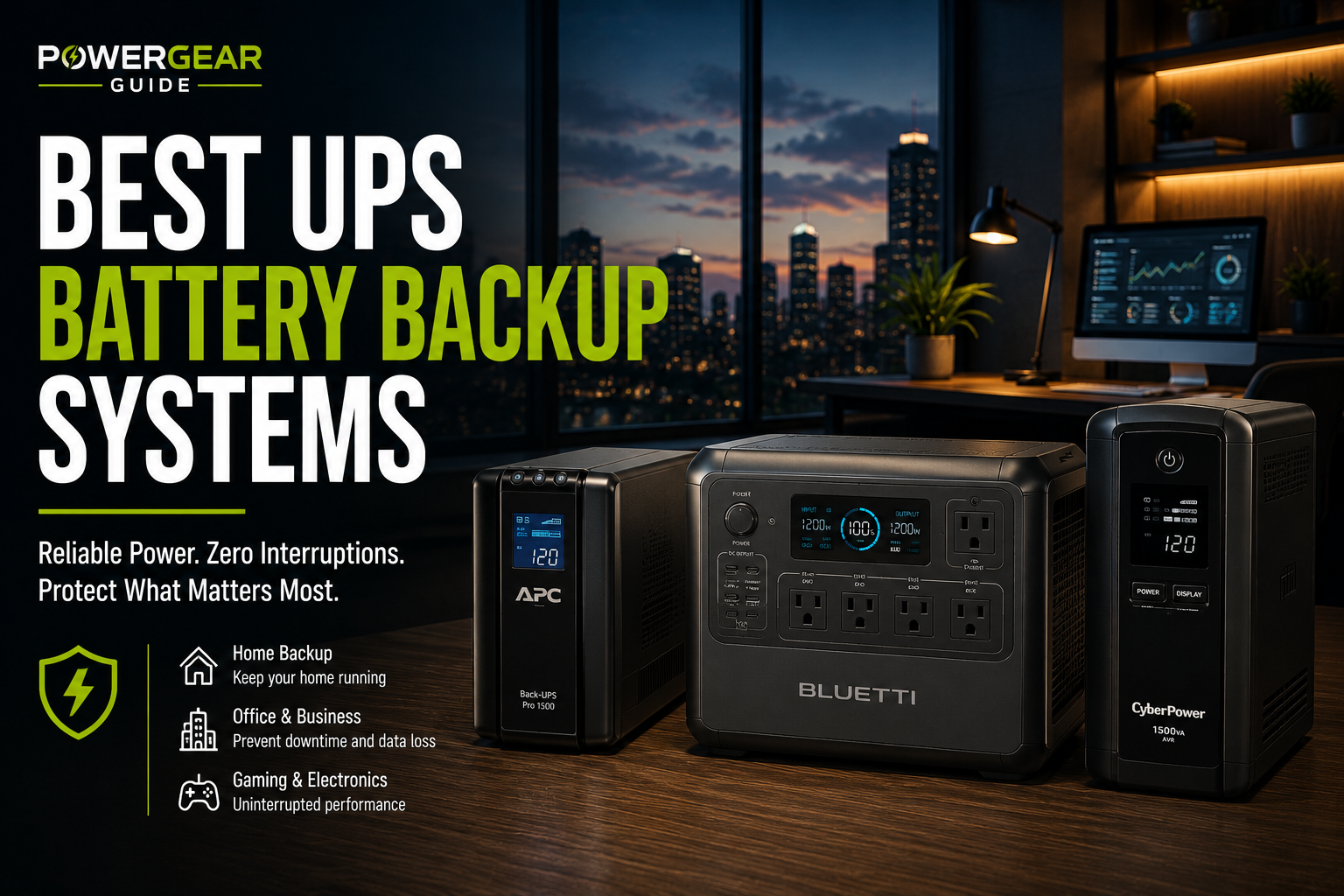
Traditional UPS batteries commonly last three to five years, but heat, cycling and load can shorten that interval.
UPS battery life is measured in calendar years and in runtime still delivered under load.
The UPS electronics often outlast the first battery cartridge.
Most VRLA UPS Batteries Last About Three to Five Years
Replace earlier when the UPS fails self-tests, runtime drops sharply, the battery swells or alarms continue after charging.
Lifespan Answer
Plan for inspection by year three and replacement within roughly three to five years unless monitoring indicates otherwise.
Typical UPS Battery Life
Most traditional sealed lead-acid UPS batteries last about three to five years under normal conditions.
UPS Electronics vs Battery Life
| Component | Typical Pattern | Replacement Trigger |
|---|---|---|
| VRLA battery | Often 3–5 years | Failed self-test or reduced runtime |
| Lithium-ion battery | Often longer | Health warning or capacity loss |
| UPS electronics | May outlast several batteries | Persistent faults or obsolete support |
| Cooling fan | Model dependent | Noise, overheating or alarm |
What Shortens Life
Heat
Accelerates aging.
Frequent Deep Discharges
Consumes cycle life.
Long Uncharged Storage
Promotes self-discharge and sulfation.
Overloading
Creates heat.
Poor Ventilation
Raises battery temperature.
Old Electronics
May not justify another battery.
Signs Replacement Is Due
Failed Self-Test
UPS reports a battery fault.
Sharp Runtime Loss
Shutdown comes much sooner.
Swelling
Stop use and seek support.
Repeated Alarms
Warnings return after charging.
Advanced Age
Battery exceeds normal service interval.
Heat or Odor
Disconnect safely and seek service.
Replace the Battery or Entire UPS?
Replace the battery when electronics are healthy and the correct cartridge is available. Replace the UPS when it is old, undersized, faulting or unsupported.
How to Extend Life
Keep It Cool
Use a ventilated indoor location.
Reduce Load
Lower heat and extend runtime.
Test Periodically
Use built-in self-tests.
Use the Exact Battery
Follow cartridge specifications.
Keep Software Current
Monitoring reveals decline.
Avoid Long Unpowered Storage
Recharge as directed.
Practical Planning and Ownership
The useful way to apply how long does a ups battery last is to connect the guidance to the actual equipment, environment and duty cycle. Power systems age and behave differently depending on load, temperature, storage, maintenance and how frequently they are cycled.
Follow the equipment manufacturer's limits for charging, ventilation, storage and service. Generic rules are useful for understanding the system, but model-specific instructions control when they are more restrictive.
Build margin into backup plans. Batteries lose capacity with age, engines can be harder to start after storage, and real loads can draw more than expected. A system designed with reserve is more dependable than one that works only at ideal ratings.
Periodic testing is part of ownership. An emergency is the wrong time to discover a weak battery, stale fuel, missing cable or incompatible load. Keep accessories together, document the basic operating procedure and test the setup on a sensible schedule.
Planning Margin That Actually Helps
Avoid designing a backup system around the exact edge of its ratings. Leave headroom in continuous output, surge capability and stored energy. That margin absorbs conversion losses, battery aging, temperature effects and loads that draw more than their nominal specification suggests.
Prioritize essential loads and consider rotating equipment instead of running everything simultaneously. Load management can extend runtime dramatically and may let a smaller, more portable system cover the real emergency requirement without sacrificing the devices that matter most.
Signs a UPS Battery Is Near Replacement
Shorter runtime under the same load is the most useful warning sign. Some UPS units also report a battery fault or failed self-test, but a battery can lose meaningful capacity before the electronics declare it failed.
Battery age should be interpreted together with temperature and use. Heat accelerates battery aging, while frequent outages and deep discharges consume cycle life. Test critical UPS systems under controlled conditions instead of assuming the battery is healthy because the unit powers on.
One More Practical Check
If a UPS protects important networking or computing equipment, record the battery replacement date on the unit. That simple habit makes preventive replacement and troubleshooting much easier than trying to reconstruct battery age during a failure.
Final Planning Note
Do not wait for a real outage to learn the battery has lost most of its runtime. A periodic self-test or controlled load test provides a much better picture of remaining usefulness.
Frequently Asked Questions
How often should a UPS battery be replaced?
Many VRLA batteries require replacement every three to five years.
Can one last ten years?
Some lithium-ion systems may, but traditional lead-acid usually does not.
Does heat shorten life?
Yes.
How do I test it?
Use the self-test and compare runtime under a known load.
Should I replace the whole UPS?
When it is old, undersized, faulting or unsupported.
What does replace-battery mean?
The self-test detected reduced battery performance.