
How Long Do Portable Generators Last?
A well-maintained portable generator can provide thousands of operating hours and many years of service, but storage and maintenance determine the outcome.
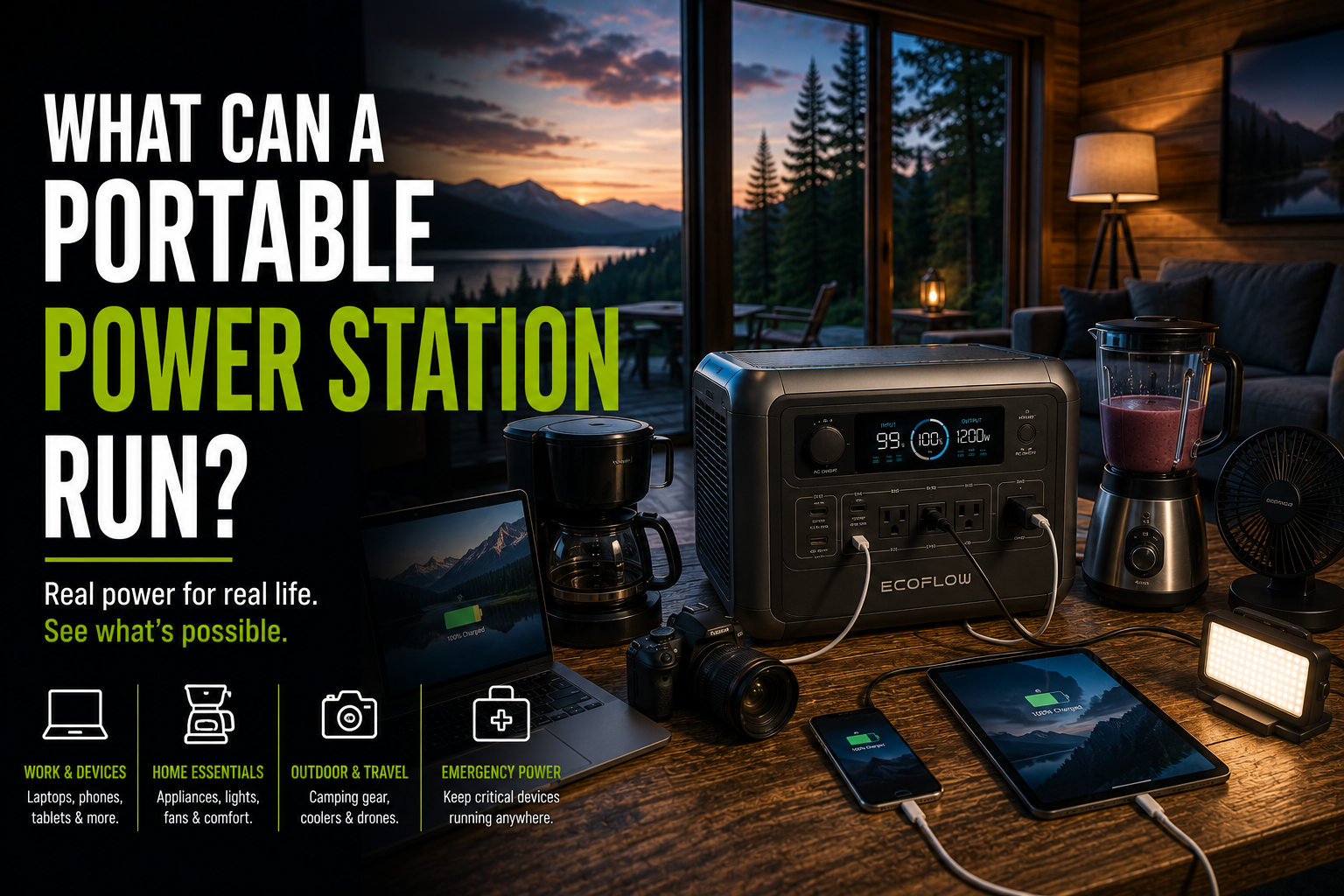
A well-maintained portable generator can provide thousands of operating hours and many years of service, but storage and maintenance determine the outcome.
Portable generators usually wear from engine hours, heat, dirty oil, stale fuel, corrosion and repeated overloading.
There is no universal calendar lifespan because one owner may run a generator ten hours a year while another runs it hundreds.
Expect Many Years and Potentially Thousands of Hours
Quality residential portable generators can last 1,000–3,000 hours or more with proper maintenance; commercial-grade engines may exceed that. Calendar life depends heavily on storage and corrosion.
Lifespan Answer
Hour-based maintenance, clean fuel and dry storage matter more than age alone. A lightly used but neglected generator can fail sooner than a heavily used, well-maintained one.
Typical Portable Generator Lifespan
| Use Pattern | Possible Service Life |
|---|---|
| Emergency-only homeowner use | Often 10–20+ calendar years with maintenance |
| Seasonal RV/camping use | Many years; hours and storage dominate |
| Frequent jobsite use | Hundreds to thousands of hours |
| Commercial-duty engine | Potentially several thousand hours |
| Neglected fuel system | Can fail after one storage season |
What Affects Lifespan
Oil Changes
Dirty or low oil accelerates engine wear.
Load Level
Continuous overload increases heat.
Fuel Quality
Stale gasoline damages carburetors.
Air Filtration
Dust wears cylinders and valves.
Storage
Moisture corrodes electrical and fuel systems.
Operating Temperature
Extreme heat shortens component life.
Signs of Wear
Oil Consumption
May indicate engine wear.
Hard Starting
Fuel, ignition or compression problems.
Unstable Voltage
Regulator, inverter or alternator issues.
Excessive Smoke
Fuel or engine problems.
Unusual Noise
Bearing, valve or internal damage.
Reduced Output
Engine or electrical-system decline.
How to Extend Generator Life
Follow break-in and ongoing oil intervals, use fresh stabilized fuel, keep the air filter clean, avoid overload, operate on a stable surface and store the generator dry.
Repair or Replace?
Repair makes sense when the engine and alternator remain sound and parts are available. Replace when repair approaches the value of a safer, quieter and more fuel-efficient modern unit.
Practical Planning and Ownership
The useful way to apply how long do portable generators last is to connect the guidance to the actual equipment, environment and duty cycle. Power systems age and behave differently depending on load, temperature, storage, maintenance and how frequently they are cycled.
Follow the equipment manufacturer's limits for charging, ventilation, storage and service. Generic rules are useful for understanding the system, but model-specific instructions control when they are more restrictive.
Build margin into backup plans. Batteries lose capacity with age, engines can be harder to start after storage, and real loads can draw more than expected. A system designed with reserve is more dependable than one that works only at ideal ratings.
Periodic testing is part of ownership. An emergency is the wrong time to discover a weak battery, stale fuel, missing cable or incompatible load. Keep accessories together, document the basic operating procedure and test the setup on a sensible schedule.
Planning Margin That Actually Helps
Avoid designing a backup system around the exact edge of its ratings. Leave headroom in continuous output, surge capability and stored energy. That margin absorbs conversion losses, battery aging, temperature effects and loads that draw more than their nominal specification suggests.
Prioritize essential loads and consider rotating equipment instead of running everything simultaneously. Load management can extend runtime dramatically and may let a smaller, more portable system cover the real emergency requirement without sacrificing the devices that matter most.
What Shortens Generator Life
Long periods of neglected storage can be as damaging as heavy use. Old fuel, contaminated carburetors, low oil and blocked cooling airflow can turn a low-hour generator into an unreliable one. Maintenance history is therefore more informative than engine hours alone.
Running continuously near maximum output also increases heat and mechanical stress. A generator sized with reasonable operating margin can be quieter, more efficient and easier on the engine than a smaller unit forced to work at its limit.
One More Practical Check
For a used generator, ask for maintenance records and evaluate cold starting, exhaust behavior and output under load. A clean exterior or low claimed hour count is not a substitute for evidence that the engine has been serviced and exercised properly.
Frequently Asked Questions
How many hours will a portable generator last?
Many residential units can provide roughly 1,000–3,000 hours or more with proper care.
Can one last 20 years?
Yes with light use and excellent storage.
What shortens life most?
Neglected oil, stale fuel, overload and moisture.
Do inverter generators last longer?
Not automatically; engine quality and maintenance dominate.
Should I rebuild or replace?
Compare repair cost, parts availability and safety features.
Does running at half load help?
Moderate loading generally reduces heat and fuel use compared with continuous maximum output.