
Can a Home Battery Power an Entire House?
Yes, but whole-house backup depends on inverter output, battery capacity, circuit management, installation and the home's actual energy use.
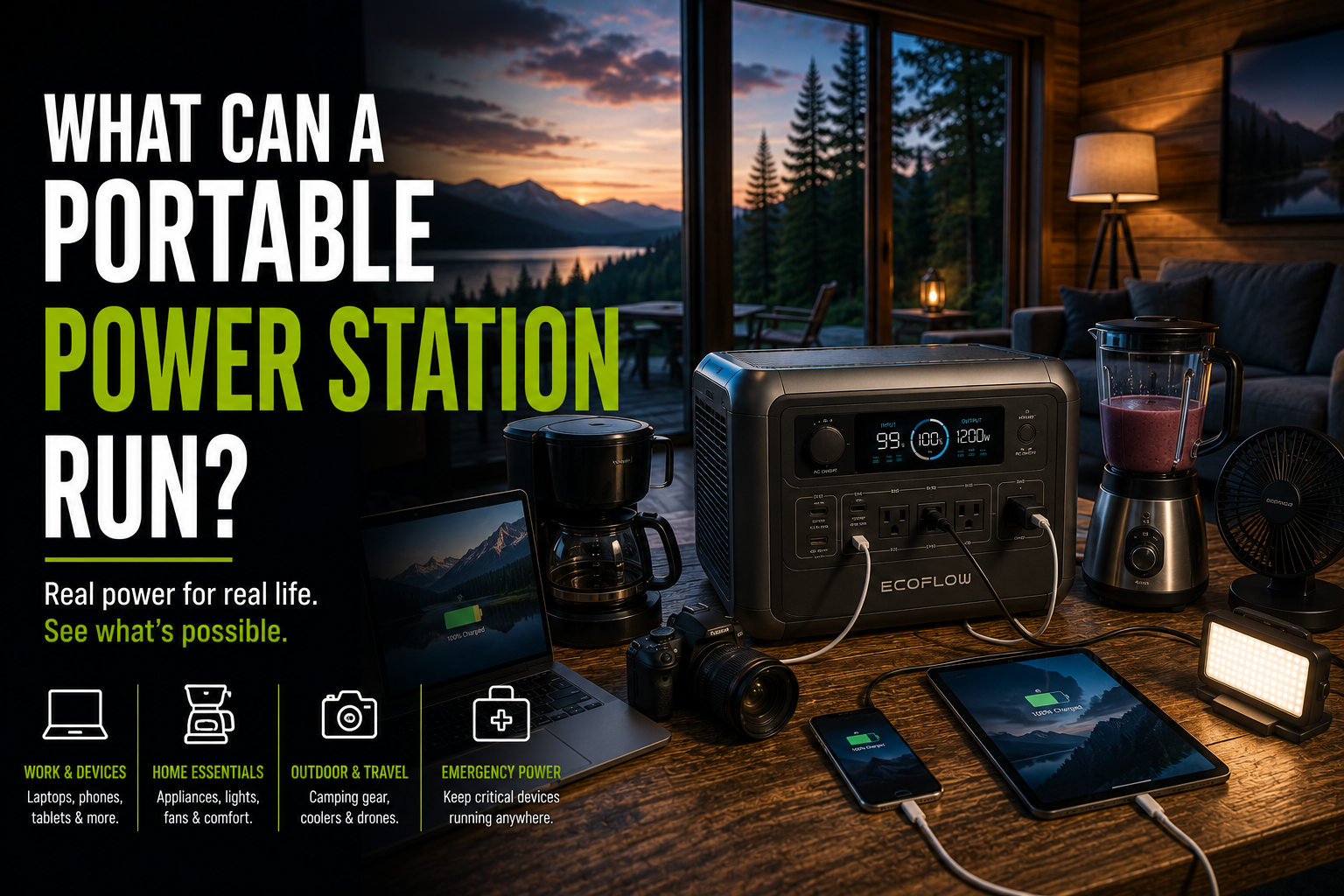
Yes, but whole-house backup depends on inverter output, battery capacity, circuit management, installation and the home's actual energy use.
A home battery can power an entire electrical panel, but running every appliance normally may require a much larger system than supporting essential circuits.
The practical answer depends on peak kilowatts, daily kilowatt-hours, 120/240V loads and how aggressively the household manages heating, cooling, cooking and EV charging.
Yes—With Enough Output, Storage and Load Management
Many homes can achieve essential-load backup with 5–15kWh and 3–7kW of output. Near-normal whole-home operation often requires 15–40kWh or more, 7–12kW+ output and careful control of HVAC, water heating, cooking and EV charging.
Bottom Line
A home battery can power an entire house electrically, but most cost-effective systems are designed around essential circuits or managed whole-home loads rather than unrestricted operation.
What “Power an Entire House” Really Means
A home battery can technically energize an entire electrical panel when it is paired with suitable transfer equipment, but that does not mean every appliance can run simultaneously. The system must satisfy both instantaneous power in kilowatts and stored energy in kilowatt-hours.
A modest battery may keep lights, refrigeration, internet and selected outlets running while excluding central air conditioning, electric resistance heat, electric water heating, ovens and EV charging. A larger modular system can support more circuits, but load management remains important.
Power Output vs Battery Capacity
Both ratings must be adequate. A 20kWh battery with a 3kW inverter stores substantial energy but cannot run many large loads at once. A 12kW inverter with only 5kWh of storage can start large appliances but may deplete quickly.
| Requirement | What It Controls | Typical Question |
|---|---|---|
| Inverter output (kW) | How many loads can run at once | Can the battery start the air conditioner? |
| Surge output | Short motor-start demand | Will the well pump start? |
| Battery capacity (kWh) | How long loads can run | Will essentials last overnight? |
| Transfer equipment | Which circuits receive backup | Can the system feed the main panel? |
| Recharge rate | How quickly energy is restored | Can solar replace daily use? |
Three Realistic Whole-Home Backup Levels
Essential Circuits
Refrigeration, lights, internet, selected outlets and a furnace blower often fit within 2–5kW and 5–15kWh depending on runtime.
Managed Whole Home
A 7–12kW inverter with 15–30kWh can support many homes when high-demand appliances are scheduled rather than stacked.
Near-Normal Operation
Large homes with central HVAC, electric cooking, water heating and well pumps may need 12kW or more plus 30–60kWh or generator support.
How to Estimate the Required System
Start with interval utility data or a home energy monitor. Identify the home's peak simultaneous demand and average daily consumption, then separate essential loads from deferrable loads.
For outage planning, size the inverter for the highest realistic combination of simultaneous loads plus motor surge. Size storage for the desired hours or days, then account for conversion losses, reserve state of charge, temperature and battery aging.
Common Limitations
Electric Heat
Resistance heating can consume battery energy extremely quickly.
Central Air
Compressor startup and long summer runtimes demand high output and large storage.
Well Pumps
Many pumps require 240V and substantial startup power.
EV Charging
Even modest EV charging can use more energy than the rest of the home's essentials.
Cloudy Weather
Solar recharge may be poor during the same storms that cause outages.
Installation Cost
Panels, gateways, permits and labor can materially increase total cost.
When a Hybrid Battery-and-Generator System Makes Sense
A battery handles short outages silently and instantly, while a generator supports long-duration events or recharges the battery when solar is inadequate. This architecture can reduce generator runtime and fuel use without requiring enough battery storage for the worst conceivable outage.
The generator connection and charging path must be approved by the equipment manufacturer and installed correctly.
Installation and Safety
Whole-home systems involve service equipment, transfer controls and high fault-current environments. Installation should be performed by qualified professionals in accordance with the equipment listing, manufacturer instructions and local electrical requirements.
Never connect a portable battery or generator to a home through an improvised cord or receptacle.
How to Size This Load Correctly
For can a home battery power an entire house, the first number to check is continuous wattage, but it is not the only one. Appliances with compressors, pumps, heating elements or motors can behave very differently at startup and during cycling. A power station needs enough inverter output for the operating load and enough surge headroom for startup events.
Runtime is an energy calculation. Multiply the appliance's average watts by the hours you need it to operate, then allow for inverter losses and the fact that real loads cycle. Nameplate watts can overstate or understate average consumption, so a plug-in power meter provides a better estimate when the decision is important.
Do not size a battery to exactly the theoretical requirement. Leaving reserve improves reliability when temperatures, duty cycles or other simultaneous loads change. For outage planning, reserve also gives you room for phone charging, lights, networking equipment or other small essentials that are easy to forget.
If the appliance is mission-critical, test the actual combination before an emergency. Confirm that the station starts the device cleanly, runs it without overload warnings and provides the expected runtime. Calculations narrow the range; a real test verifies compatibility.
Frequently Asked Questions
Can one home battery power an entire house?
One large system may power an entire panel, but whether it can run every appliance simultaneously depends on inverter output, surge capability and battery capacity.
How many kilowatt-hours are needed for whole-home backup?
Essential-load backup may use 5 to 15kWh, while broader whole-home operation often requires 15 to 40kWh or more depending on consumption and desired duration.
Can a home battery run central air conditioning?
Some high-output 120/240V systems can run compatible central air conditioners, but compressor startup and long runtime can require substantial power and storage.
Can a home battery run a well pump?
Yes, if the system provides the required voltage and sufficient motor-starting surge. Many well pumps require 240V.
How long can a home battery power a house?
Runtime equals usable battery energy divided by average load. A 20kWh system may last about twenty hours at a 1kW average load, before accounting for losses and reserve settings.
Do I need solar panels with a home battery?
No, but solar can extend outage duration by recharging the battery. Recharge depends on weather, array size and available sunlight.
Is a generator still useful with a home battery?
Yes. A generator can support long outages or recharge the battery when solar production is insufficient.
Does a whole-home battery require professional installation?
Yes. Service equipment, transfer controls and panel connections should be installed by qualified professionals under applicable codes and manufacturer instructions.