
EcoFlow DELTA 2 vs DELTA 3
DELTA 3 is the better current design for UPS use, noise and charging; DELTA 2 is the better bargain when heavily discounted.
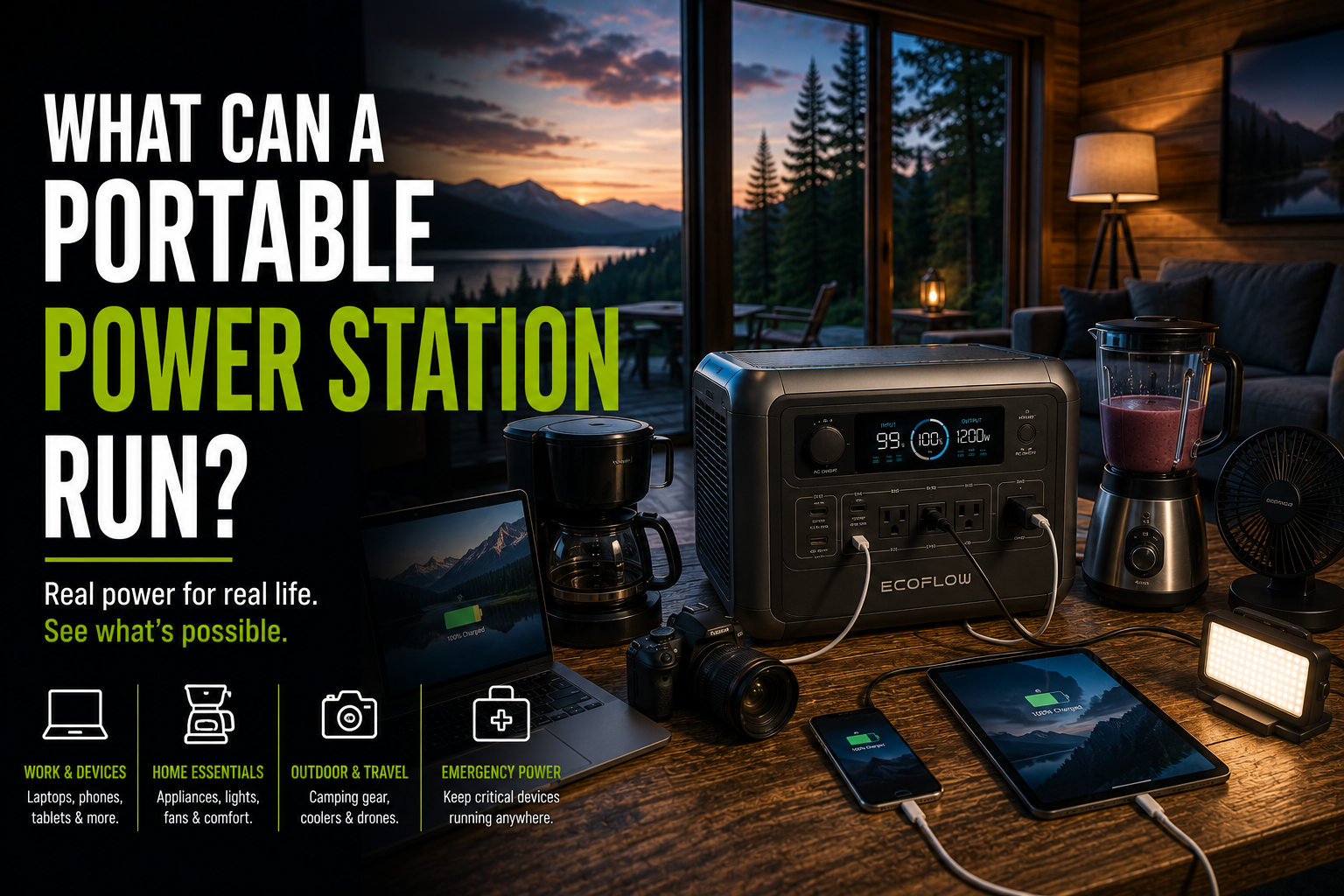
DELTA 3 is the better current design for UPS use, noise and charging; DELTA 2 is the better bargain when heavily discounted.
DELTA 3 is the better current design for UPS use, noise and charging; DELTA 2 is the better bargain when heavily discounted.
The comparison below uses current official specifications and focuses on practical use rather than brand marketing alone.
Main Difference
DELTA 3 is the better current design for UPS use, noise and charging; DELTA 2 is the better bargain when heavily discounted.
Comparison Verdict
DELTA 3 is the better current design for UPS use, noise and charging; DELTA 2 is the better bargain when heavily discounted.
Quick Comparison
| Factor | DELTA 2 | DELTA 3 Classic |
|---|---|---|
| Capacity | 1024Wh | 1024Wh |
| Output | 1800W | 1800W |
| Surge | Model-specific | 3600W |
| UPS | Slower generation | 10ms |
| Best use | Value | Modern backup |
Performance
Both provide 1kWh capacity and 1800W output, so the biggest difference is generation rather than raw size.
Charging
DELTA 3 Classic reaches 80% in about 45 minutes and emphasizes quieter operation.
Value
DELTA 2 remains attractive when its price is substantially lower.
Which Should You Choose?
Choose by Capacity
Runtime comes from watt-hours.
Choose by Output
Appliance compatibility comes from watts.
Check Charging
Solar and AC speed differ.
Review Expansion
Accessory ecosystems vary.
Consider Weight
Larger models are much harder to move.
Compare Current Pricing
Older models can be excellent values.
What Matters in Real-World Use
The useful way to read this DELTA 2 vs DELTA 3 comparison is not to ask which option wins the most specification rows. The better question is which differences change what you can actually power, how long you can power it, and how much inconvenience you accept. In this matchup, the decision centers on older-generation value versus newer backup, charging and refinement features.
Start with the load, not the product. Write down the devices you expect to run at the same time, their continuous wattage, and any startup surge. Then estimate how many hours each device needs to operate. That separates output requirements from energy-capacity requirements and prevents a common mistake: paying for a larger battery when the real problem is peak output, or buying high output with too little stored energy.
This comparison is most useful for buyers who can quantify the price premium for the newer model. It is less useful for buyers who assume equal capacity means an identical ownership experience. If both choices comfortably cover the same load and runtime target, portability, recharge speed, expansion options, warranty/support experience and current street price become the deciding factors.
Treat advertised surge modes and power-boost features as secondary tools rather than the foundation of the purchase. Continuous rated output is the safer number for planning. Likewise, expansion capability has value only when you realistically expect to add batteries later; otherwise it can become a feature you paid for but never use.
A Better Way to Decide
1. Define the load
List what must run simultaneously. Use continuous watts for the base load and account separately for startup surges from motors, pumps and compressors.
2. Set a runtime target
Estimate watt-hours from the loads and hours of use. Add a practical reserve rather than planning around 100% of theoretical capacity.
3. Price the complete system
Compare the equipment you actually need—battery expansion, solar, cables, transfer hardware or fuel—not just the headline unit price.
4. Decide what convenience is worth
Weight, noise, recharge time, automation and app features can matter more than small specification differences when both options meet the electrical requirement.
Common Buying Mistakes to Avoid
Frequently Asked Questions
Which has more capacity?
See the comparison table; expansion can change the answer.
Which has more output?
Compare continuous watts, not only X-Boost or surge.
Which charges faster?
Newer EcoFlow models generally emphasize faster AC charging.
Which is better for solar?
Compare input voltage, current and watt limits.
Which is easier to carry?
The lighter model.
Do both use LFP batteries?
Current compared models generally do, but verify exact revision.