
Are EcoFlow Power Stations Worth It?
EcoFlow power stations are worth it for buyers who value fast charging, app control, expansion and a broad upgrade ecosystem.
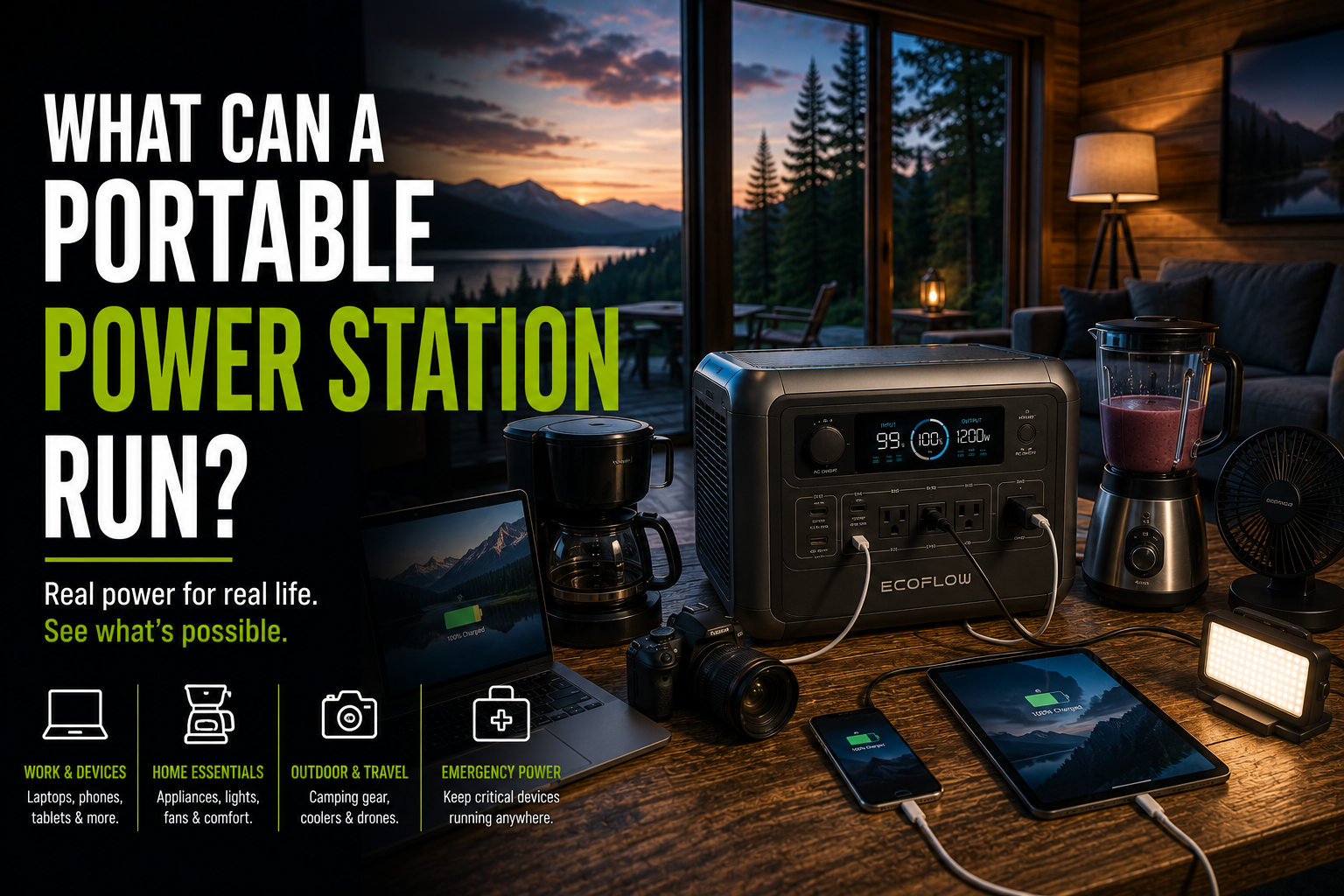
EcoFlow power stations are worth it for buyers who value fast charging, app control, expansion and a broad upgrade ecosystem.
EcoFlow's strongest advantage is system flexibility rather than the lowest purchase price.
The value depends on whether you will actually use fast charging, solar, alternator charging or extra batteries.
Worth It for Frequent Backup and Mobile Power
EcoFlow is strongest for RVs, home backup, fast recharge and users who want a connected ecosystem.
Editor's Verdict
EcoFlow is generally worth the premium when ecosystem features matter; simpler occasional users may find cheaper alternatives adequate.
Why EcoFlow Stands Out
Fast Charging
X-Stream reduces wall-charge time.
Broad Range
RIVER through DELTA Pro.
Expansion
Selected DELTA models add batteries.
App Control
Monitoring and settings.
Alternator Charging
500W and 800W road options.
Home Backup
DELTA Pro systems support deeper integration.
Where EcoFlow Is Less Compelling
Premium Accessories
Extra batteries and panels add cost.
Model Complexity
Names and compatibility can be confusing.
Weight
Large DELTA systems are difficult to move.
Rapid Refreshes
Older models can become discounted quickly.
Proprietary Expansion
Batteries are model-specific.
Not a Generator Replacement for Every Load
Runtime remains finite.
What Matters in Real-World Use
The case for EcoFlow value comes down to whether you will use the capabilities you are paying for. The strongest reason to buy is fast charging, broad ecosystem support and backup flexibility. That can be genuinely valuable, but it is not automatically valuable to every buyer.
The best fit is buyers who will actually use fast recharge, solar input or home-backup features. The weaker fit is buyers who only need occasional low-power emergency use. Before comparing prices, define the outage, travel or off-grid scenario you are actually solving: which loads must run, how long they need to run, how often the system will be used and where it will be stored.
Ownership cost is broader than the checkout price. Depending on the category, it can include expansion batteries, solar panels, cables, transfer equipment, fuel, maintenance or replacement accessories. A cheaper base unit can become the more expensive system if it requires add-ons to perform the intended job.
Also put a value on convenience. Fast charging matters when turnaround time is short. Low noise matters in campsites and shared spaces. Automatic operation matters during unattended outages. Portability matters only if the equipment will actually be moved. Features should be priced against your use case, not counted as trophies.
A Better Way to Decide
1. Define the load
List what must run simultaneously. Use continuous watts for the base load and account separately for startup surges from motors, pumps and compressors.
2. Set a runtime target
Estimate watt-hours from the loads and hours of use. Add a practical reserve rather than planning around 100% of theoretical capacity.
3. Price the complete system
Compare the equipment you actually need—battery expansion, solar, cables, transfer hardware or fuel—not just the headline unit price.
4. Decide what convenience is worth
Weight, noise, recharge time, automation and app features can matter more than small specification differences when both options meet the electrical requirement.
Common Buying Mistakes to Avoid
When the Premium Actually Pays Off
EcoFlow makes the strongest financial sense when recharge time and system flexibility prevent real inconvenience. A household using a station repeatedly during outages can benefit from faster turnaround far more than a buyer who stores the unit for one emergency every few years. The same logic applies to solar: higher or more flexible solar input matters when you routinely recharge away from the grid, not simply because the specification is larger.
For occasional emergency use, compare EcoFlow against a simpler power station that meets the same continuous-output and runtime target. If the cheaper alternative can run the refrigerator, communications gear, lights or other essential loads for the required period, paying more for ecosystem features may not improve the actual backup outcome. Value comes from capabilities used, not the number of capabilities listed.
Frequently Asked Questions
Are EcoFlow stations reliable?
Current LFP models are designed for long cycle life, but reliability varies by model and use.
Are they overpriced?
They can cost more than basic competitors, especially with accessories.
Which is best value?
DELTA 2 and DELTA 2 Max when discounted.
Which is best current model?
DELTA 3 Plus for most 1kWh buyers.
Can they power a house?
DELTA Pro systems can support selected or broad circuits with proper integration.
Are solar panels included?
Usually sold separately.