
Hurricane Power Outage Checklist
Prepare power, water, communications, food, medical needs and evacuation plans before tropical-storm conditions make travel and shopping unsafe.
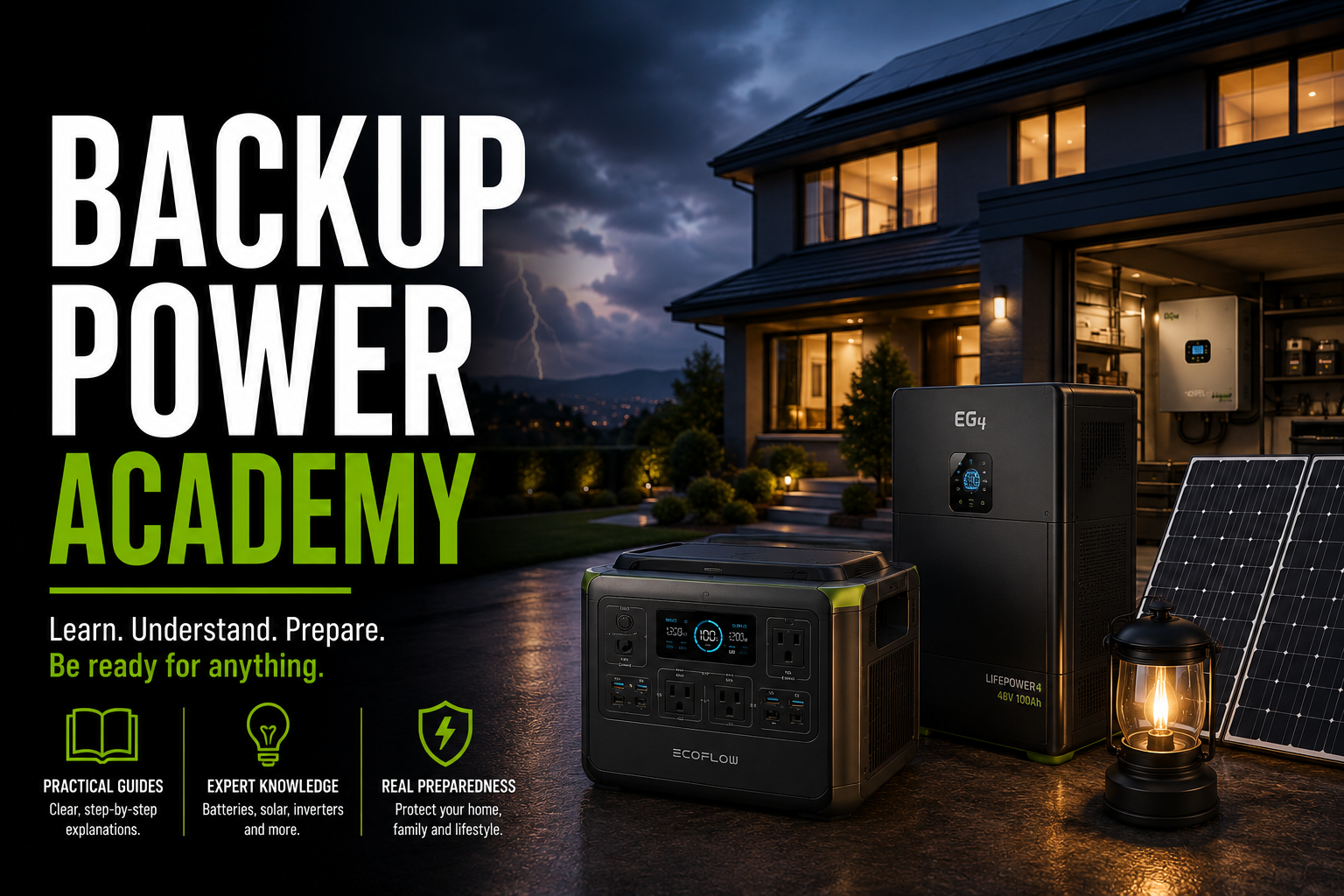
Prepare power, water, communications, food, medical needs and evacuation plans before tropical-storm conditions make travel and shopping unsafe.
A hurricane outage plan should be completed before watches and warnings create supply shortages, fuel lines and unsafe travel.
This checklist follows a timeline from early-season preparation through the final 24 hours, the outage itself and recovery after power returns.
Prepare for at Least Several Days Without Grid Power
Store water and shelf-stable food, charge batteries, fill prescriptions, test alerts and backup systems, secure outdoor equipment, protect documents and know when to evacuate. Portable generators must remain outdoors at least 20 feet from doors, windows and attached garages.
Preparedness Priority
Protect people first: evacuation, medical planning, safe water and communications matter more than powering every appliance. Use backup energy for critical loads and never take generator or flood-electrical risks.
Before Hurricane Season
Create an Evacuation Plan
Know routes, shelters, pet arrangements and where family members will meet.
Inventory Critical Loads
List medical devices, refrigeration, well or sump pumps, communications and cooling needs.
Test Backup Equipment
Run generators safely, test transfer equipment and verify battery systems under real loads.
Store Core Supplies
Maintain water, food, medications, flashlights, radios, batteries and first-aid supplies.
Protect Documents
Keep insurance, IDs, prescriptions and equipment records in waterproof storage.
Sign Up for Alerts
Use official local emergency, weather and utility notification services.
About Five Days Before Possible Impact
Review the official forecast and local instructions rather than relying on social-media projections. Top off vehicles, charge portable power stations and power banks, and obtain fuel before conditions deteriorate.
Freeze water containers to create cold mass, clean coolers, verify refrigerator thermometers and identify a safe outdoor generator location that remains far from openings and potential floodwater.
| Task | Why It Matters | Do Not Forget |
|---|---|---|
| Charge batteries | Creates immediate indoor backup | Charge device-specific medical batteries |
| Obtain fuel safely | Supports generators and vehicles | Use approved containers and storage |
| Store water | Well pumps may stop | Include sanitation needs |
| Prepare refrigeration | Extends food safety | Keep appliance doors closed |
| Secure the property | Reduces windborne debris | Bring outdoor equipment inside |
Final 24 Hours Before the Storm
Set Battery Reserve
Stop optional cycling and preserve stored energy for the outage.
Lower Refrigerator Temperature
Pre-cool without freezing foods not meant to freeze.
Fill Clean Containers
Store additional water if local guidance recommends it.
Move Equipment Up
Protect batteries, cords and supplies from possible floodwater.
Unplug Nonessential Electronics
Reduce surge exposure and unnecessary standby demand.
Confirm Communications
Charge phones, radios and backup internet equipment.
During the Power Outage
Report the outage through the utility's official channel and assume downed power lines are energized. Keep freezers and refrigerators closed, use LED lighting and conserve battery energy until outage duration becomes clearer.
Do not enter flooded areas containing electrical equipment. If water reaches outlets, panels, batteries or appliances, stay clear and follow emergency guidance.
Generator Safety During a Hurricane Outage
Operate a portable generator only outdoors, at least 20 feet from windows, doors and attached garages, with exhaust directed away from buildings. Never operate it in a garage, carport, shed, porch or partially enclosed area.
Use working carbon-monoxide alarms. Refuel only after shutdown and cooling. Connect household circuits only through approved transfer equipment; never backfeed through a receptacle.
Carbon Monoxide
Invisible and odorless; symptoms can resemble illness or fatigue.
Rain Protection
Use only a manufacturer-approved operating shelter that maintains ventilation.
Flooding
Do not place generators where rising water can reach them.
Fuel
Store only in approved containers away from living spaces.
Cords
Use outdoor-rated cords with adequate gauge and intact grounding.
Transfer Equipment
Prevents dangerous utility-line backfeed.
Portable Battery and Home-Battery Strategy
Prioritize medical equipment, communications, refrigeration, safe lighting and pumps. Run high-draw appliances separately and turn off unused AC inverters to reduce standby losses.
Solar panels can extend runtime, but storm cloud cover, debris and unsafe outdoor conditions may limit charging. Never deploy panels during dangerous winds or flooding.
After the Storm and When Power Returns
Wait for Official Clearance
Road, flood and downed-line hazards can remain after wind subsides.
Reconnect Loads Gradually
Allow grid service to stabilize before starting major appliances.
Inspect Equipment
Do not energize wet, damaged or flooded electrical devices.
Recharge and Refuel
Restore emergency supplies safely as soon as practical.
Document Damage
Photograph losses before cleanup when safe.
Update the Plan
Record shortages, failures and improvements for the next storm.
How to Use This Resource
Use hurricane power outage checklist as a starting point rather than reading every page in isolation. Backup-power decisions are connected: load size determines inverter requirements, runtime determines battery capacity, and recharge strategy determines how much solar or generator support makes sense.
Start with the scenario you are solving—short outage, multi-day emergency, camping, RV use or home backup. Then identify critical loads and separate must-run equipment from convenience loads. That keeps the system from becoming oversized and expensive simply because every possible appliance was included.
Move from fundamentals to sizing and only then to product comparisons. Understanding watts, watt-hours, surge demand and battery chemistry makes commercial comparisons much easier to interpret and reduces the chance of buying from marketing claims alone.
Frequently Asked Questions
How much backup power do I need for a hurricane?
Size backup power for critical loads, expected outage duration and recharge or fuel access. Refrigeration, medical equipment, communications, pumps and safe lighting should be prioritized.
When should I charge a portable power station before a hurricane?
Charge it before tropical-storm conditions arrive and preserve an emergency reserve once the outage risk becomes significant.
Can I run a generator in a garage during heavy rain?
No. A garage is unsafe even with the door open. The generator must operate outdoors away from all building openings.
How far should a generator be from the house?
Ready.gov advises operating generators outdoors at least 20 feet from windows, doors and attached garages.
Can solar panels recharge during a hurricane outage?
They may recharge after conditions become safe, but clouds, debris and wind can reduce production or make deployment dangerous.
What should I power first?
Medical equipment, communications, refrigeration, safe lighting, water or sump pumps and essential temperature control.
Should I unplug electronics before the storm?
Unplugging nonessential sensitive equipment can reduce surge exposure and standby consumption.
What should I do if electrical equipment gets wet?
Do not touch or energize it. Stay out of water near electrical equipment and use qualified inspection before reuse.